
A gentle guide to turning your backyard into a nature-based classroom.
This post may contain affiliate links. As an Amazon Associate, I earn from qualifying purchases. This means if you make a purchase through a link, I may receive a commission – at no extra cost to you.
If you’re looking for a simple, low-prep way to introduce your kids to nature study, birdwatching is one of the easiest and most magical places to begin.
You don’t need to live on a farm or near a forest – a park or even your own backyard can become a rich learning environment full of movement, color, and song.
As a homeschool mama of three, I’m always looking for ways to make our learning feel connected to the world around us. Backyard birdwatching has become one of our favorite weekly nature rhythms. My boys love seeing all of the birds building their nests in the Spring. Their favorite birds to spot are cardinals! Birdwatching is easy to start, encourages quiet observation, and gives kids of all ages a chance to build curiosity and mindfulness.
Whether you’re new to nature study or simply looking to slow down with a peaceful outdoor activity, here are five common backyard birds your child can watch for (plus gentle tips for building a sustainable birdwatching routine).
Why Birdwatching Is Wonderful for Kids
Birdwatching for kids goes beyond just spotting birds. It nurtures:
- Patience and presence through quiet observation
- Curiosity and question-asking
- Early science and nature literacy
- Mindfulness and emotional regulation
- A lifelong love for wildlife and ecosystems
And best of all? It requires no special equipment to start. Just a pair of curious eyes, a quiet space, and maybe a little notebook.
5 Common Backyard Birds for Kids to Spot
These familiar friends are commonly found in neighborhoods across North America and make a perfect starting point for young birdwatchers.
1. American Robin
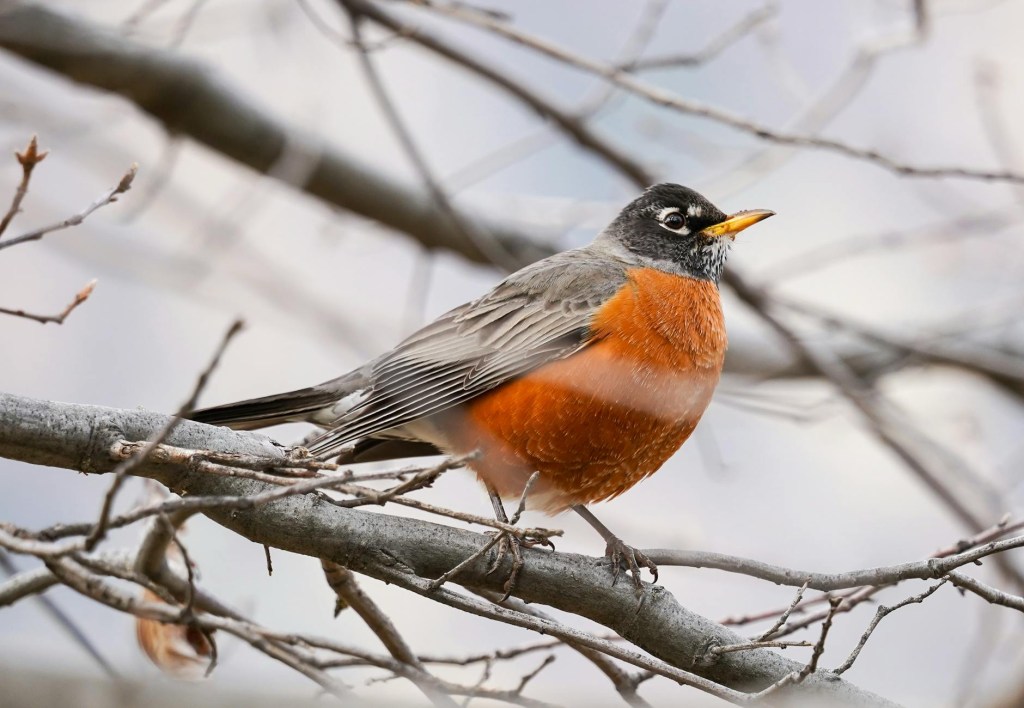
What to look for: Rusty red belly, gray back, and cheerful hopping
Fun Fact: Robins are often the first birds we see in spring – a sign that the seasons are shifting
Mama Tip: Robins love open lawns after a rain. Watch for them tugging worms from the ground.
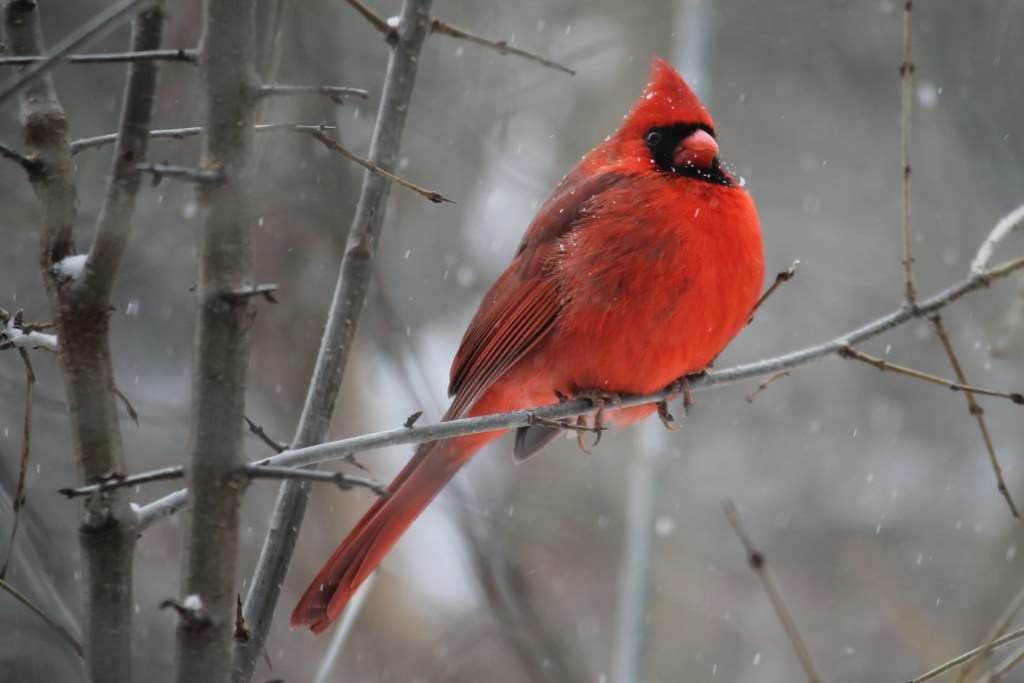
2. Northern Cardinal
What to look for: Bright red body with a pointed crest (male), or soft tan with red edges (female)
Fun Fact: Cardinals don’t migrate – you can spot them even in winter
Mama Tip: Place a feeder with black oil sunflower seeds nearby – cardinals can’t resist!
3. Blue Jay
What to look for: Bold blue feathers with black-and-white accents; loud, chattering calls
Fun Fact: Blue jays are excellent mimics and sometimes imitate hawk calls to scare off rivals
Mama Tip: Offer peanuts in the shell and watch their clever behavior unfold

4. House Sparrow

What to look for: Small, round body, streaky brown feathers, black throat (males)
Fun Fact: House sparrows are one of the most common birds in the world
Mama Tip: These little guys love breadcrumbs and are often found around porch railings or rooftops.
5. Mourning Dove
What to look for: Soft tan-gray coloring, long pointed tail, and gentle “cooing” sounds
Fun Fact: Mourning doves can flap their wings up to 15 times per second during flight
Mama Tip: Keep an eye out on fences and wires – they love still perches

Tips for Making Backyard Birdwatching Fun
If you’re just beginning your nature study routine, here are a few ways to keep birdwatching engaging and educational:
1. Create a birdwatching kit
Keep a small basket near the door with:
- A nature journal or sketchpad
- Crayons or colored pencils
- Kid-friendly binoculars (we love these ones)
- Bird identification cards or a local guidebook
2. Make it a weekly rhythm
We do our birdwatching on Wilderness Wednesdays, but you could pick any day. Repetition builds familiarity, and soon your kids will start recognizing the same birds week to week.
3. Build a bird feeder together
Encourage regular visitors to your yard by crafting a homemade bird feeder. This makes a great hands-on science and art project, too!
4. Track sightings in a bird log
Use a simple printable or make your own with these columns:
- Bird name
- Date spotted
- Where you saw it
- A quick sketch or note
- What it was doing
5. Let your child lead
Kids notice the smallest things. Encourage them to name the birds they see or invent stories about what each bird might be doing. Storytelling builds connections and memories (and makes nature study more enjoyable)!
Want to Go Deeper?
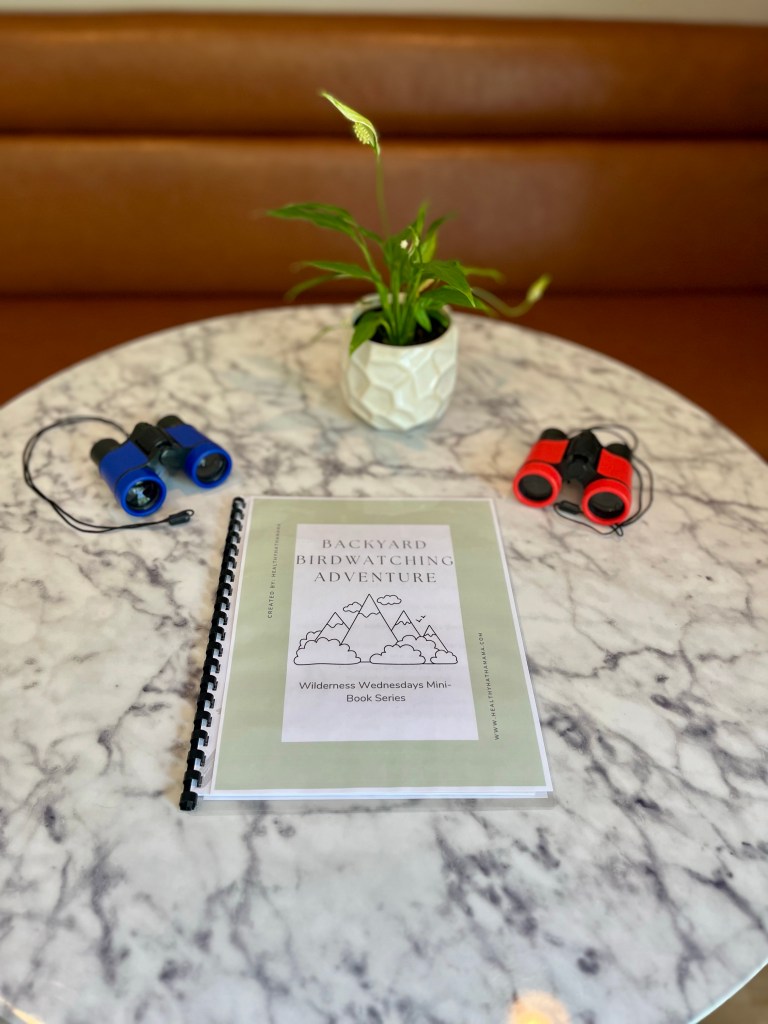
To help make birdwatching even easier, I created a printable Backyard Birdwatching Mini-Book designed to pair with your Nature Journal.
Inside you’ll find:
- Bird ID tips and fun facts
- Journal prompts
- Printable bird logs
- Backyard Bird Bingo
- Book + podcast recommendations
- Mindful affirmations + breathwork
Click here to download the Mini-Book now!
It’s a gentle way to bring structure to your birdwatching routine – without losing the magic of unhurried exploration.
Have a favorite bird in your backyard? Let me know in the comments – and don’t forget to tag @healthyhathamama on Instagram if you and your littles spot something sweet this week!🪶
 Healthy Hatha Mama
Courtney, this is amazing! I love all the time and thought you have put into learning about nature! Great touch adding in links too!
Thank you for investing in our kiddos education!
Cheryl
LikeLiked by 1 person
This post and mini-book are so well done! Looking forward to learning more about birds with my kiddos!
LikeLike