
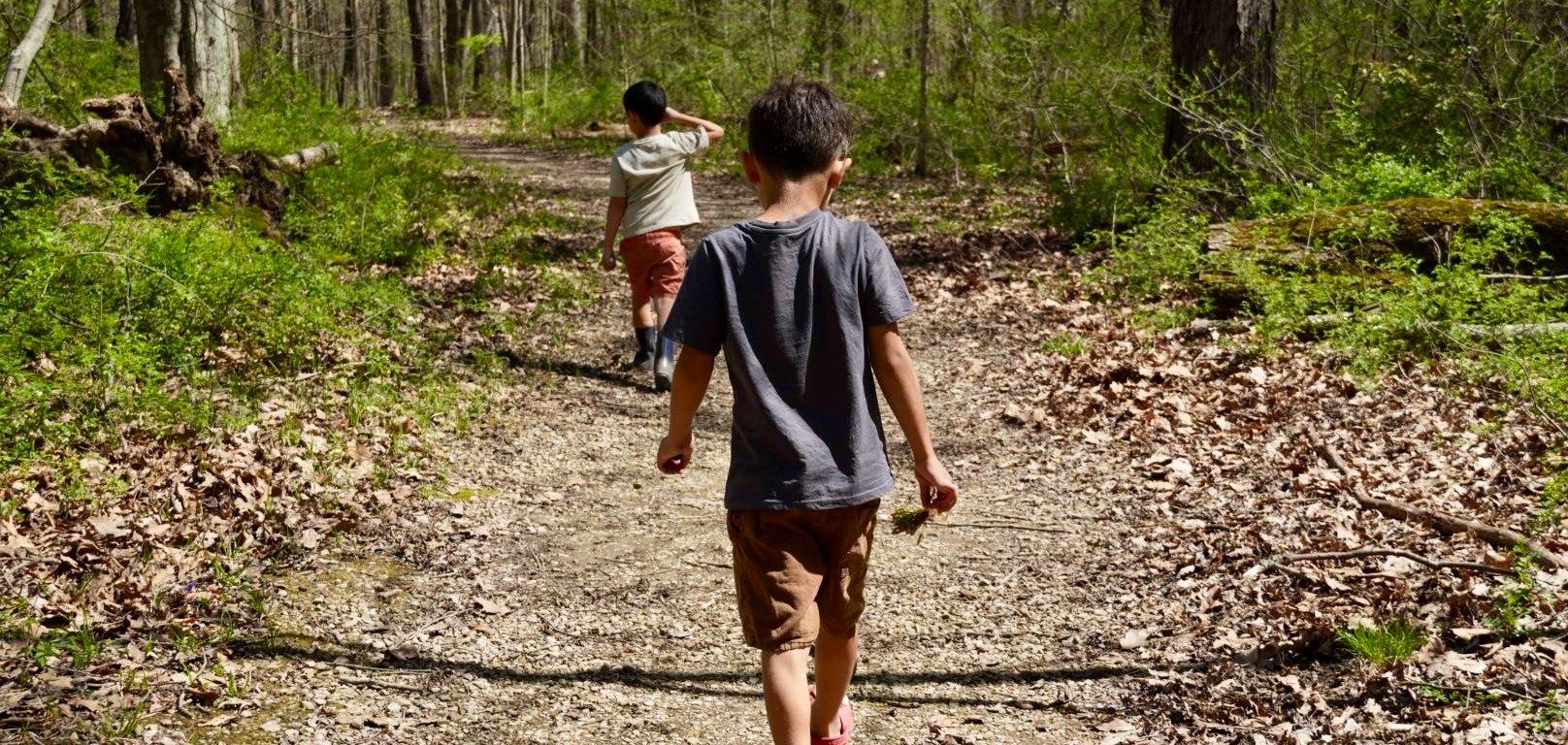
As a mama juggling two young children and an infant, while homeschooling, and maintaining a holistic lifestyle, I’m always looking for ways to nurture my children’s minds, bodies, and spirits in ways that feel authentic and connected to nature. One of the simplest yet most powerful tools for this is spending time outdoors—especially on wilderness walks.
In today’s digital age, it’s easy for kids to get wrapped up in screens and indoor activities. However, nature offers a treasure trove of benefits that are often more difficult to replicate in a classroom or living room. Whether you’re exploring a nearby forest, a local park, or just a quiet trail, nature becomes the ultimate playground for fostering your child’s physical, mental, and emotional growth.
1. Physical Health: Building Strength and Coordination
Children are naturally energetic, and a wilderness walk provides the perfect environment for them to move freely, run, climb, and explore. The varied terrain of nature—whether it’s uneven ground, rocks to climb, or logs to balance on—helps kids develop better coordination, balance, and muscle strength. These physical activities also support gross motor skills, which are crucial for overall development.
Additionally, nature walks encourage healthy movement that’s gentle on their bodies. Fresh air and exercise boost circulation and strengthen the cardiovascular system. Plus, spending time outdoors in natural light helps regulate sleep cycles by supporting the production of Vitamin D, which is essential for growing bones.
2. Mental Health: Calming the Mind and Reducing Stress
In our fast-paced world, kids can often experience stress, anxiety, or overstimulation from school, social pressures, and digital media. Nature offers a refuge where the mind can slow down and reset. Studies have shown that spending time outdoors can reduce stress levels and increase feelings of calm and happiness.
Wilderness walks create an opportunity for mindfulness, a practice that benefits both children and parents. When surrounded by nature’s quiet beauty, kids naturally become more present. The sounds of rustling leaves, birds chirping, or even a babbling brook help children focus and develop a sense of peace and relaxation that is difficult to achieve in more stimulating environments.
I’ve noticed that after a walk in the woods, my kids are often more patient and calmer. Their moods are more balanced, and they’re more ready to engage in creative play or even dive into their homeschooling lessons with a clear mind.
3. Emotional Development: Fostering Resilience and Connection
Nature also plays an important role in emotional development. Wilderness walks teach kids important life skills such as resilience, patience, and problem-solving. Whether they’re climbing over a fallen tree, crossing a stream, or trying to spot a wild animal, nature presents them with challenges that help them build confidence as they learn to navigate their environment.
Being in nature also helps children connect to their emotions. It creates a space for reflection and personal growth. For example, when my little ones stop to watch a butterfly or notice a unique rock, I can see their sense of wonder and awe, which are powerful tools for building emotional intelligence. These moments also help them develop empathy—toward nature, animals, and each other.
4. Cognitive Development: Enhancing Curiosity and Learning
A wilderness walk is a rich, immersive experience that can spark curiosity and enhance cognitive development. As kids explore, they naturally ask questions—”Why do leaves change color?” “What kind of bird is that?” “How do trees grow?” These inquisitive moments provide endless opportunities for learning.
For homeschooling parents like me, nature offers a dynamic classroom. On our walks, we often find ourselves talking about science—identifying trees, talking about ecosystems, or observing wildlife. It’s a hands-on way of learning that is far more engaging than any textbook can offer. Nature also nurtures creativity. Whether it’s making art out of fallen leaves or imagining stories about the forest, the natural world invites children to use their imagination and engage with their surroundings in a meaningful way.
5. Social Skills: Encouraging Cooperation and Shared Discovery
If you’re walking with siblings or friends, nature walks are a great way to encourage teamwork and shared experiences. Working together to find a hidden stream, build a fort with fallen branches, or simply share what you’ve found on the trail strengthens social skills and builds relationships.
In our family, my kids often take turns leading the walk or picking out what direction to go in. These small decisions help them practice leadership, communication, and cooperation—skills that are essential for both personal and academic development.
6. Fostering a Lifelong Love for Nature
Perhaps one of the most important benefits of wilderness walks is that they help foster a deep appreciation and respect for the environment. As children connect with nature, they begin to see the world as a living, breathing entity that deserves care and protection. This sense of responsibility is essential as we raise the next generation to be conscious of their impact on the planet.
By exploring nature regularly, kids develop a strong bond with the outdoors, one that can last a lifetime. Whether they grow up to be scientists, environmental activists, or simply lovers of the natural world, their time spent in nature will shape their attitudes and choices as adults.
In Conclusion: Nature is the Best Playground
Wilderness walks are more than just a chance to get outside; they are an opportunity for kids to grow, learn, and connect—physically, mentally, and emotionally. From strengthening their bodies to calming their minds and boosting their curiosity, nature is the perfect setting for children to thrive. Whether you’re venturing into the woods for a full day of exploration or taking a simple walk through a local park, the benefits are endless.
So, let’s take a moment to step outside and let our kids play, explore, and grow in the natural world—where the best kind of learning and growth happen. 🌿
What are some of your favorite outdoor activities for your kids? I’d love to hear how you incorporate nature walks into your family’s routine! Please share your thoughts and ideas in the comments below. Have a Healthy Hatha day friends!
 Healthy Hatha Mama
💜Our family loves long bike rides on our local trails. My youngest will stop every few minutes for “nature breaks”. She loves watching bugs craw across the trail or exploring fields for wildflowers.
LikeLiked by 1 person